The biblical witness
Follow the study’s reading of Leviathan in Job, the Psalms, and Isaiah, alongside ancient Near Eastern parallels.
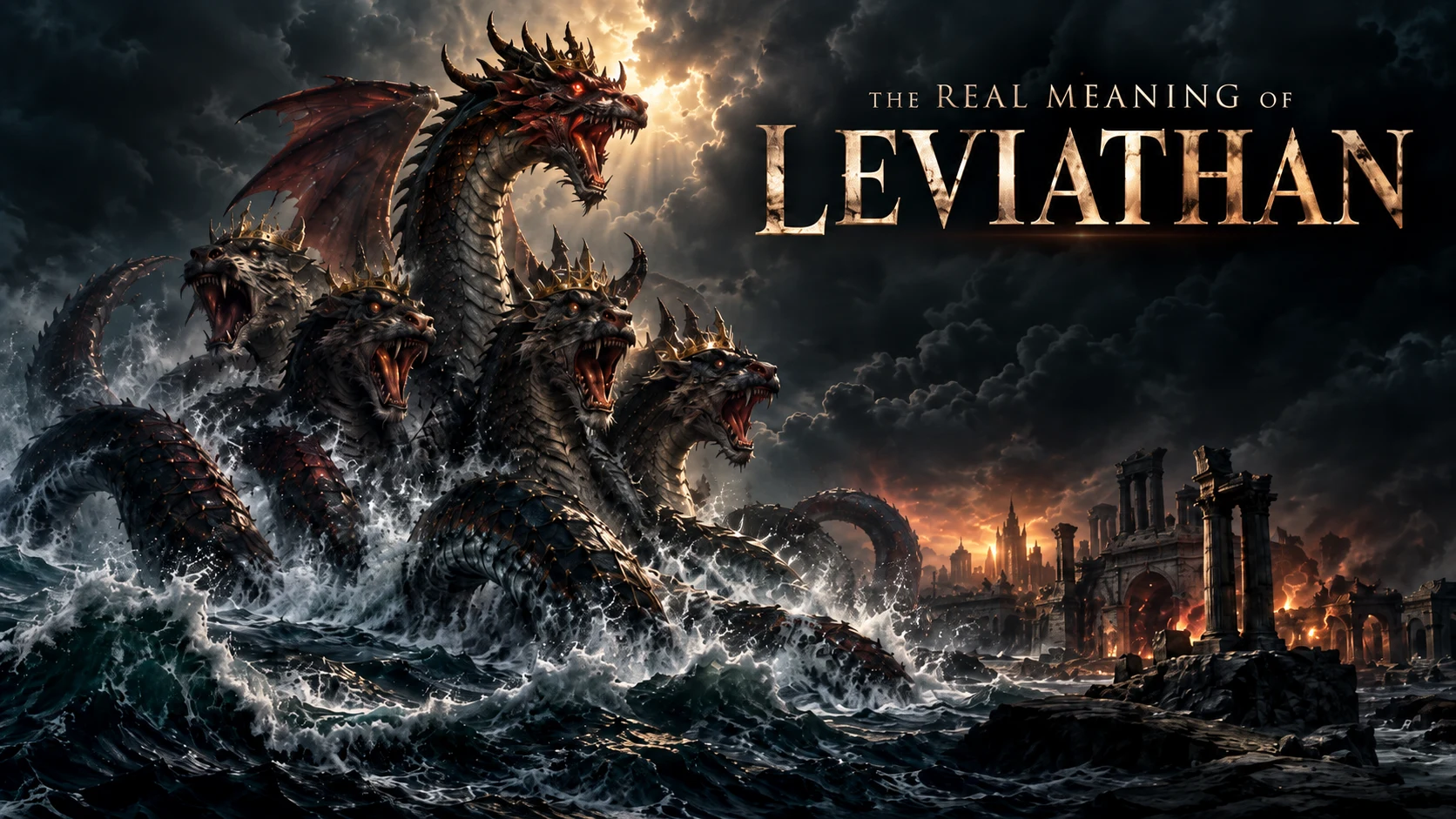
An illustrated theological study by Ramon Gil
One serpent. Many thrones. The final word belongs to Christ.
From Job to Revelation, this study reads Leviathan as a symbol of organized rebellion: chaos, empire, and spiritual hostility made visible through history. Explore the biblical imagery, the succession of kingdoms, and the sovereignty of God over them all.
Scripture · History · Empire
Through a sanctuary-judicial framework, this booklet traces the serpent, dragon, and beast imagery across Job, the Psalms, Isaiah, Daniel, and Revelation. Its argument brings historical context and theological interpretation together to consider how rebellion takes public form—and how Christ brings it to an end.
Follow the study’s reading of Leviathan in Job, the Psalms, and Isaiah, alongside ancient Near Eastern parallels.
Explore its interpretation of successive empires as manifestations of organized rebellion, deception, idolatry, and persecution.
Consider divine sovereignty, the defeat of the beast, and the call to discernment, hope, and faithful resistance.
Look inside
Preview the cover and first two pages of the complete 10-page English study.
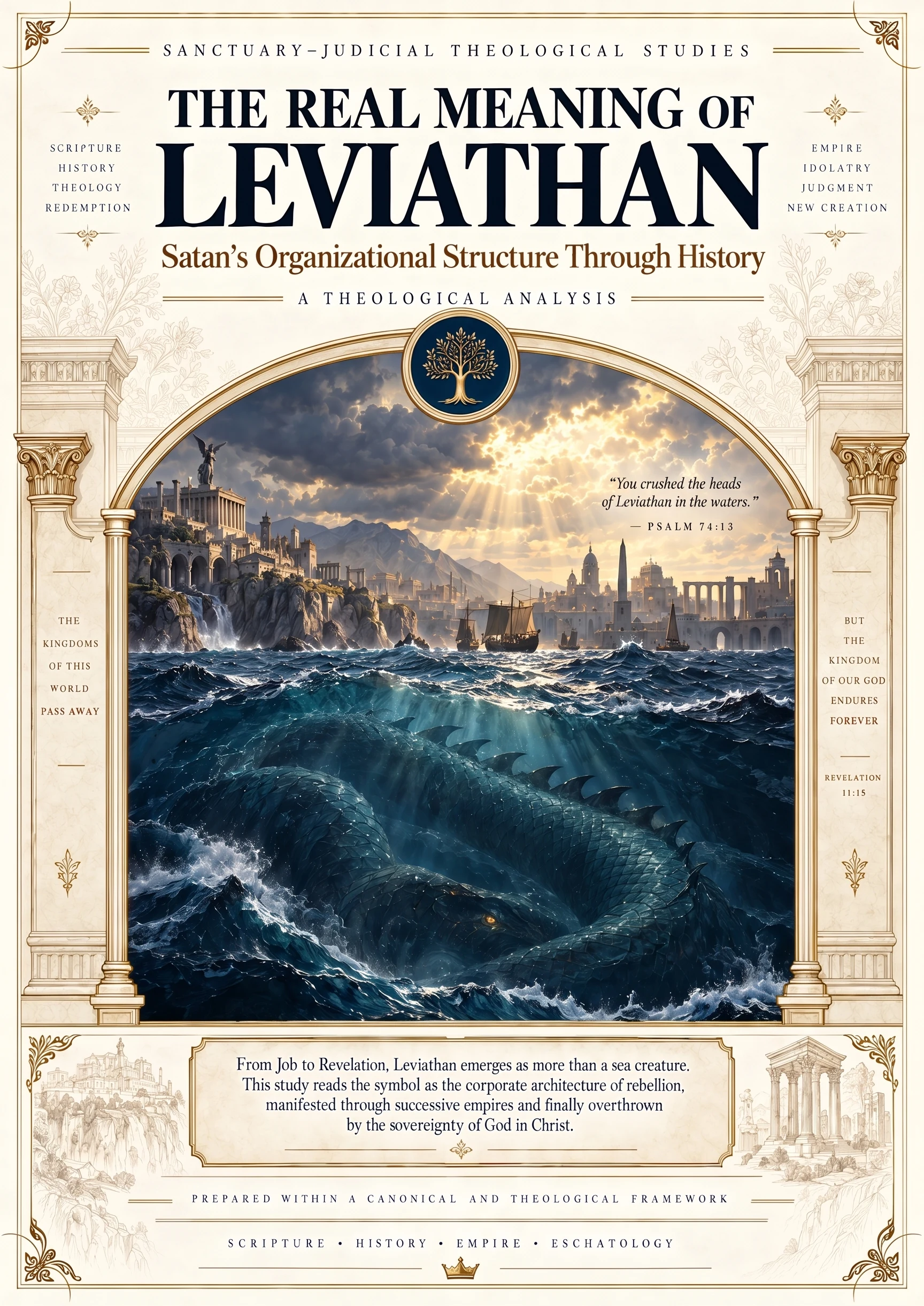
The Real Meaning of Leviathan: Satan’s Organizational Structure Through History. A theological analysis within a sanctuary-judicial framework, exploring Scripture, history, empire, and eschatology.
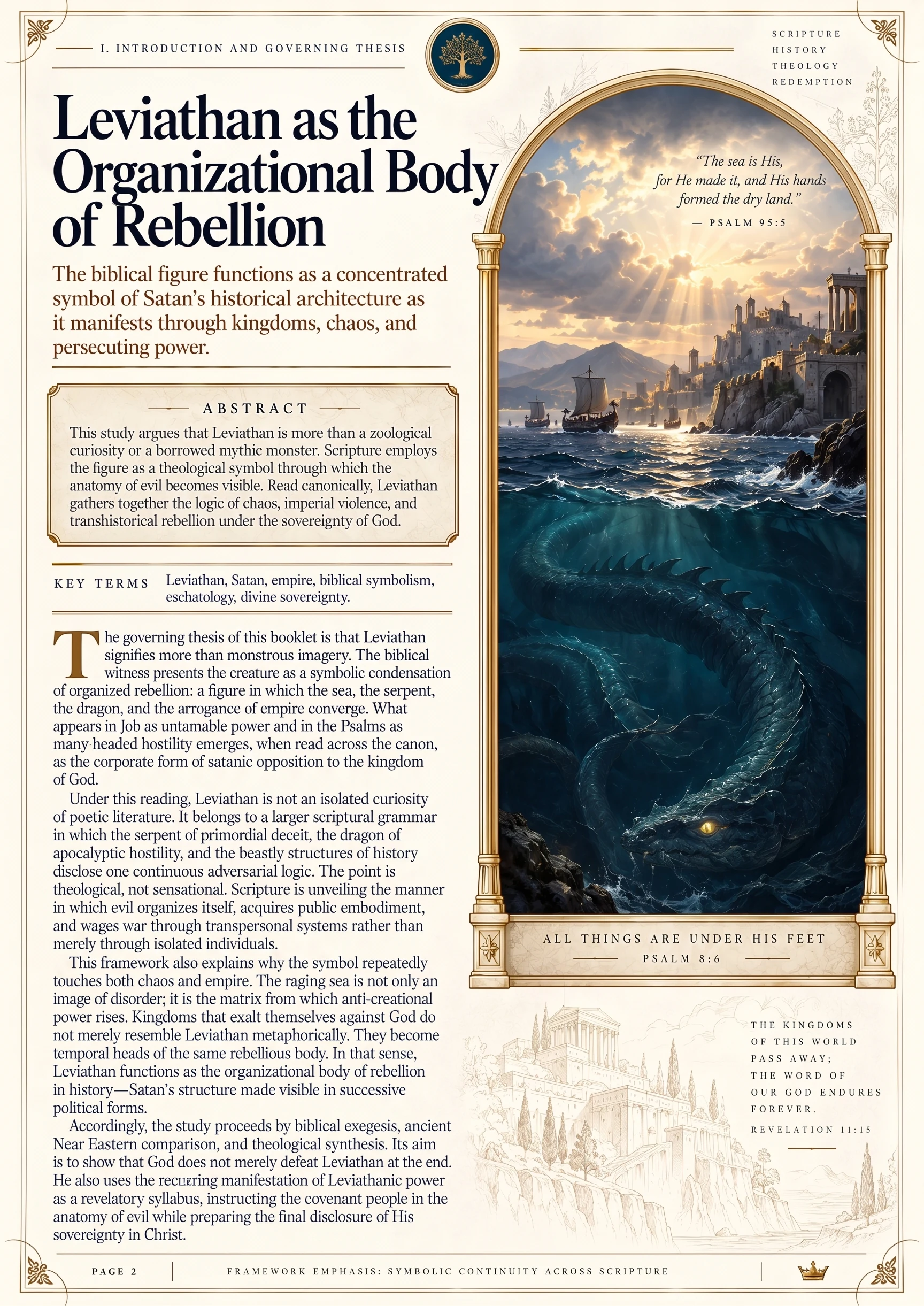
The introduction presents the study’s thesis that Leviathan symbolizes organized rebellion through kingdoms, chaos, and persecuting power, while remaining under God’s sovereignty.
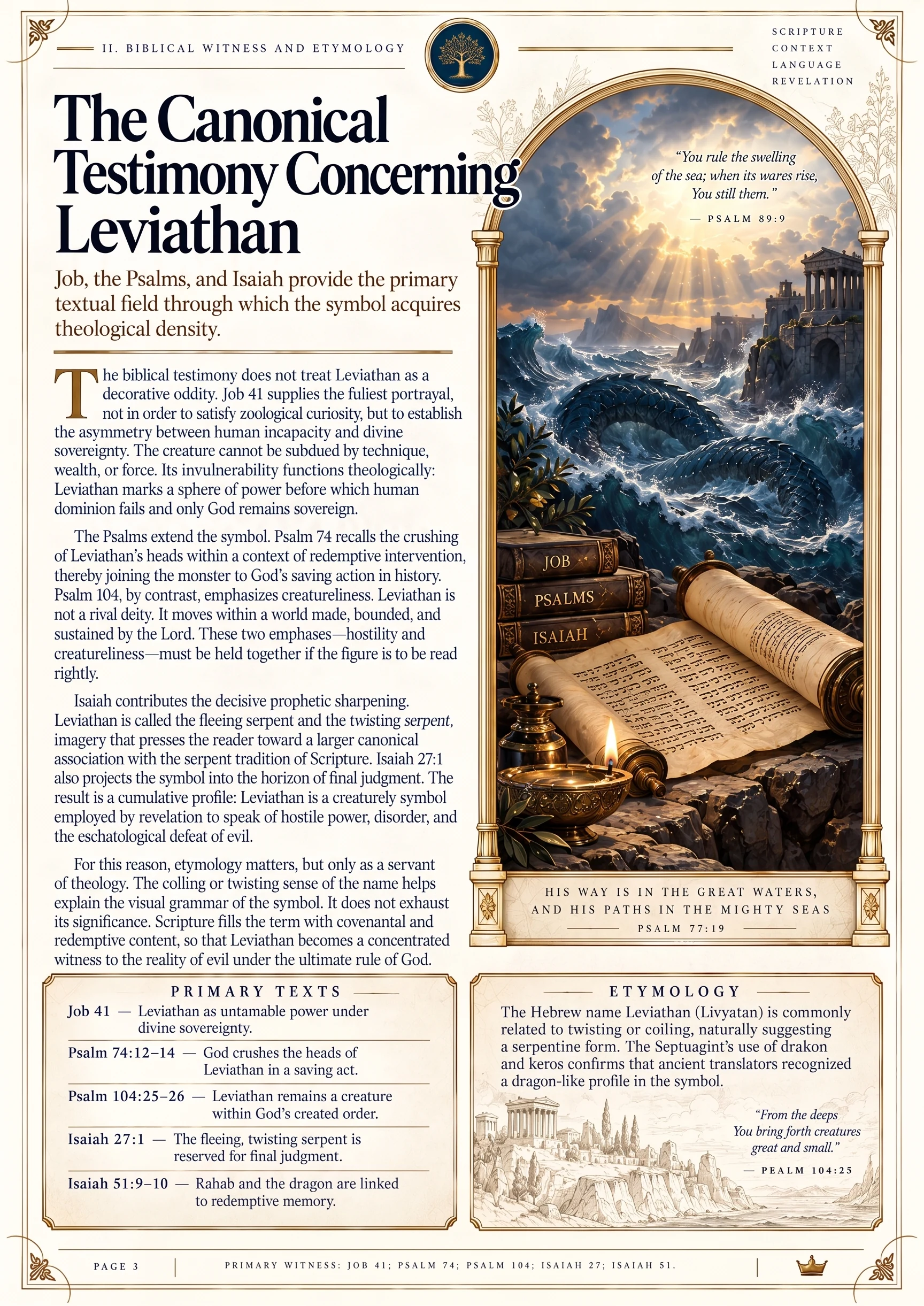
The biblical overview examines Job 41, Psalms 74 and 104, and Isaiah 27 and 51. It considers divine sovereignty, the defeat of hostile power, and the significance of serpent imagery.
A focused study
The complete illustrated study as a downloadable PDF. Choose the optional HD image pack to also receive all ten original-resolution pages as separate JPG files in one ZIP.
Reader discussion
Bring your questions. Share what challenged you. Explore the argument with Scripture, curiosity, and respect for one another.
Loading the discussion…
The first approved comments will appear here. Thoughtful questions and respectful disagreement are welcome.
Reader comments are personal perspectives, not verified purchases or endorsements. Report a concern
What question or passage stayed with you?
Sign in to leave a comment.
Every comment is reviewed before it appears. Submitting a comment does not subscribe you to email updates.
Engage with ideas and arguments, not personal attacks. Disagreement is welcome. Insults, threats, harassment, and hateful content are not permitted.
Share questions and reflections about this book or study. When quoting Scripture or another source, include the reference and distinguish quotations from your interpretation.
Do not post email addresses, phone numbers, addresses, payment details, or private information about yourself or anyone else. If approved, your comment may appear with your first name and Google profile photo; your email is not displayed in the discussion.
Do not impersonate others or post spam, advertising, requests for money, or repeated messages. Comments express their authors’ views and are not endorsements or verified purchases.
Write between 20 and 2,000 characters. Every comment is reviewed before publication; submitting one does not guarantee publication. We may reject or remove comments that do not follow these guidelines.
Sign in with Google and select the consent checkbox after reading these guidelines and the privacy policy. Submitting a comment does not subscribe you to email updates.
Use the report link beside a comment, or email secretossagrados@gmail.com. Include the publication link, the comment’s name and date, and a brief explanation. Avoid including unnecessary sensitive information.